 Happy New Year!
Now that the holiday furor has settled down for most of us, I would like to share with you that I often hear my senior friends discussing how much sleep they are NOT getting. Or, that they don’t NEED much sleep.
It turns out that it’s not a good thing when we are sleep deprived at any age. In his book “Why We Sleep“, neuroscientist and sleep expert, Matthew Walker, gives us a new understanding of the vital importance of sleep and dreaming. According to his research, sleep helps our ability to learn, regulates our appetite, assists with our well being and immune system. It affects our emotions, and metabolism. Walker further suggests we can utilize sleep to improve our energy levels, regulate hormones, prevent cancer, to name a few. He also says that sleep slows the effects of aging. The list is much longer than what I have shown here.
 According to a blog post I read, the less senior citizens sleep, the faster their brains age. I also learned that seven hours of sleep daily was perfect for cognitive function. In addition, sleep for senior citizens is important to provide time to heal from other health related issues.
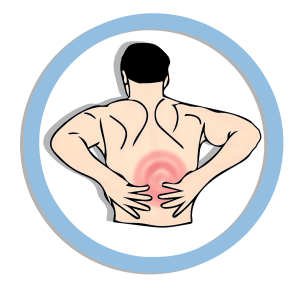 I had the fortunate experience to learn about using Yoga for pain from a public television station, and thought I would share that information with you along with some websites, which provide information on Yoga for seniors (not that you have to be one to benefit from reducing pain with Yoga methodologies).

 24 years since I had open heart surgery. Yes
 across a street by myself. At that point, I promised myself and the forces that guide us that if given the future opportunity to walk, I would make sure to honor that ability.

 As senior citizens, I think that we are often looking for ways to enhance our well-being: 1) by changing what we eat; 2) trying to exercise; and, 3) get enough sleep. And, of course, getting our regular checkups with doctors. By taking as many of these steps as we can, we hope that it will lead us to long and healthful lives, right?
 One of my New Year’s resolutions is to focus more attention on what type of groceries I am purchasing. In addition, I want the recipes I make to be creative, tasty and healthful. My grandmother cooked what could be called ‘soul food’, which was always delicious and she was healthy all her life. She lived to be 94 years old. My grandmother was not the only person I know of who lived a long life and ate things like collard greens, macaroni & cheese, biscuits. I also remember her having a garden, where she grew all kinds of vegetables and from which she used to cook her dinner. I actually don’t recall her using a lot of fertilizer on the vegetables she grew.
 Are you aware of the benefits that senior citizens (referred to as elderly people) can receive by eating yogurt? Are you aware that not all yogurt give you the same benefits, and why you might choose one type versus another type?
 Just when we thought we had the right information about taking aspirin, a new study comes out to create confusion. Even though I have had heart surgery, I must admit I do not take aspirin. As a matter of fact, I only took it immediately after my open heart surgery 23 years ago. My surgery was not because of a heart attack. I stopped taking aspirin because of an allergic reaction one time, and I never took it again. Now, it turns out that I am on the right side of what is healthy for my age. Below is a summary of my findings, which I hope helps clear up a few things for you. Please use the source links for more detailed information.
 unless you have had a heart attack; have a stent; had a bypass surgery; suffer from angina, or had a stroke.
 Have you ever heard that
 livingsenior.me