Below is a nice message from the Mental Health America website, which brought a smile to my face. As we age, we can learn that a positive outlook can help us adjust to the aging process, which can be quite challenging. Embracing this mindset not only fosters resilience but also enhances our ability to navigate the inevitable changes that come with time.
“This yearโs theme โย More Good Days, Togetherย โ encourages us all to reflect on what a โgoodโ day looks like, both for ourselves, and for our communities. Together, we can use that insight to connect people to the right support at the right time, and shape advocacy, education, and community engagement to make more good days possible for all.”
Here are some links that may be useful for your own well-being ๐
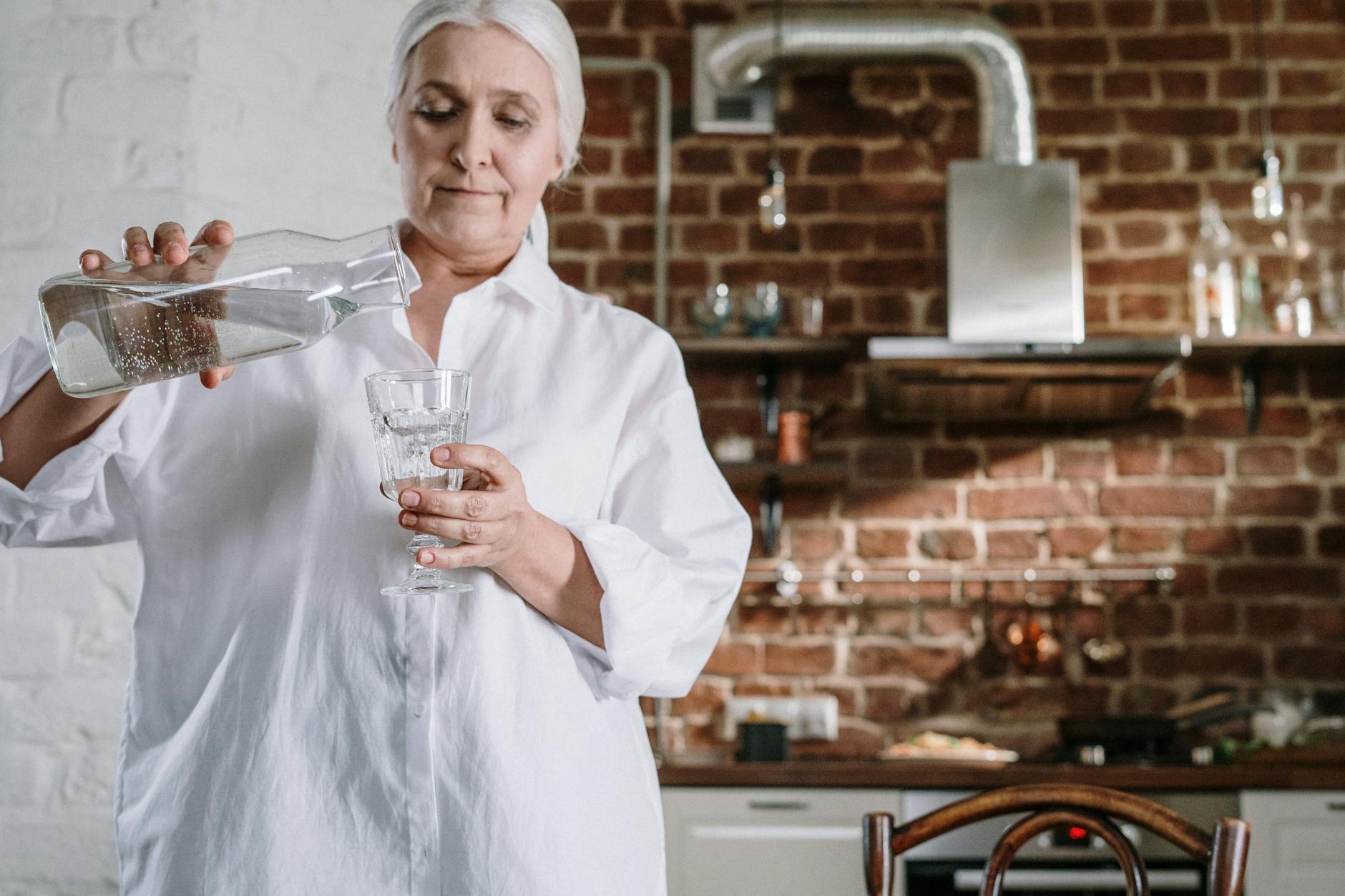
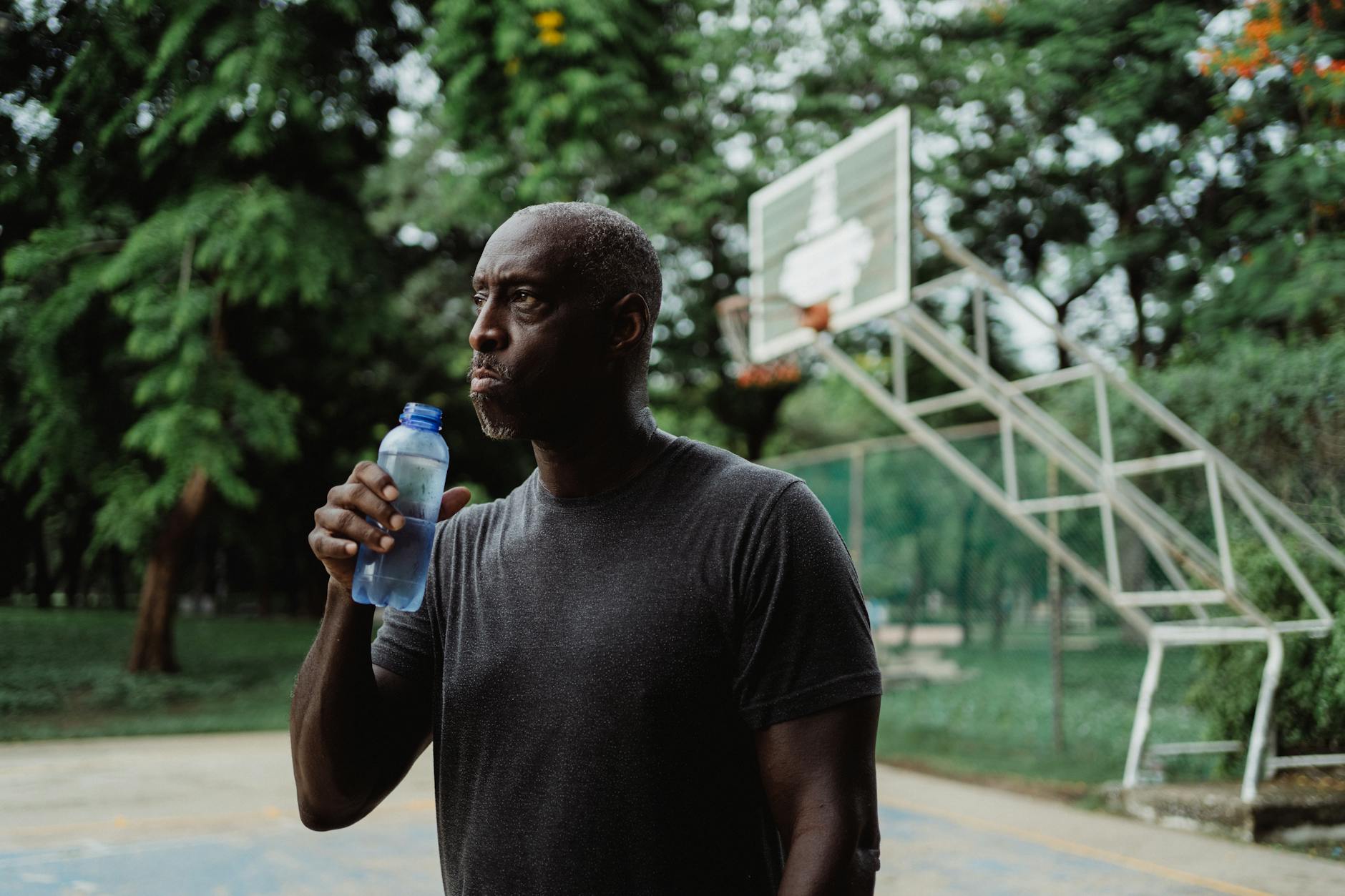
This post is FYI – AGAIN – ๐ because – most of us want to make sure that we hydrate our bodies, which seems to be especially important for senior citizens – right? AND with the Holidays coming up – And VERY HOT days, it is important to maintain stable body temperature.
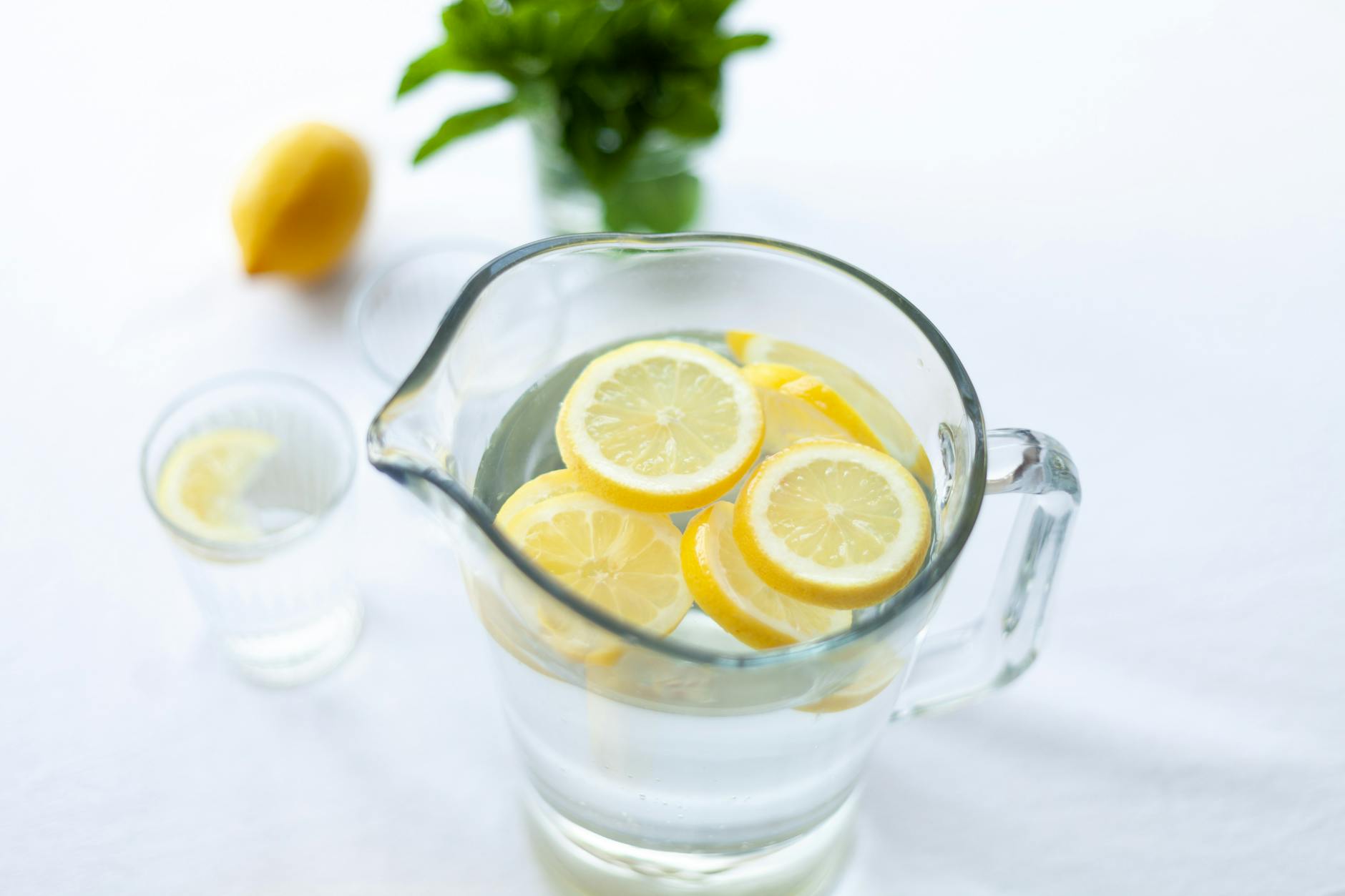
Staying properly hydrated not only aids in maintaining energy levels but also plays a crucial role in overall health, particularly as temperatures rise. Anyway, I found some information on Sparkling Water and the Do’s and Don’ts. Many of us find the regular water out of the faucet boring – but it does have benefits, such as being calorie-free and cost-effective. Sparkling water can provide a refreshing alternative, making hydration feel less like a chore and more enjoyable. Perhaps mixing in some fresh fruits or herbs could enhance the flavor further. Maybe this post will help you hydrate with more than one method, ensuring you enjoy every sip.
Now for some reality checks. As I was researching this topic, I found some very important reasons Senior Citizens need to hydrate and pay attention to their water intake. Just click the links to learn more.
Drinking Water Before Bed? You may choose to drink extra water before bedtime, which can help with overnight hydration and improve your blood circulation while you sleep.
In 2026, aside from sharing climate advocate information, I will also be focusing on the available resources to help you with your wellness regimen, as our health is intricately connected to the health of our planet. By providing tips, strategies, and innovative ideas, my aim is to empower you with the knowledge and tools necessary to enhance your well-being. We can all use a little help to participate in our own well-being along with our planet’s survival – not only for ourselves – but for our younger generations, ensuring that they inherit a healthier environment and a more sustainable future. Together, we have the ability to cultivate practices that promote not just personal health but also contribute positively to the ecosystem that supports us all. Ultimately, itโs about establishing a harmonious balance between our needs and those of the Earth, leading to a thriving community for years to come.
Here’s a newsletter created by Dr. Andrew Weil – whom you may know from his many years of involvement and experience with Integrative Medicine. This newsletter offers valuable insights into holistic health approaches, including the importance of nutrition, mindfulness, and natural therapies. Dr. Weil emphasizes the significance of a balanced lifestyle and shares practical tips that can easily be incorporated into daily routines. Subscribers can expect to receive updates on the latest research in the field.
FYI Breast cancer is the most common cancer diagnosed among women in the United States after skin cancer and is the second leading cause of cancer death among women after lung cancer, according to the U.S. Centers for Disease Control and Prevention.
Nowadays, there are many resources for us to find information about breast cancer, which is crucial for promoting awareness and encouraging preventative measures. In fact, there is also more information tailored specifically for women who are older, highlighting the unique risks they face and the reasons to be even more vigilant about getting their yearly exams. Regular check-ups and screenings can significantly improve outcomes, as early detection is key in effectively managing this illness. The link below provides extensive information about the latest research, treatment options, and support groups, ensuring that women have access to the knowledge they need to make informed decisions about their health and well-being.
Breast Care Helpline: The Susan G. Komen Breast Care Helpline provides information about breast health, breast cancer, local and national resources and information about clinical trials. If you or a loved one needs more information, call 1-877 GO KOMEN (1-877-465-6636).
Those of you who follow my podcast and blog posts know that I am committed to providing you with “News You Can Use” to enhance your well-being and wellness regimen. ๐
Every time I receive my newsletter from Senior Planet, I look forward to uncovering the latest updates, tips, and opportunities available onlineโmany of which can be accessed at our convenience. Their content is often focused on empowerment, technology, and community engagement, making it a go-to for anyone wishing to navigate aging proactively.
As we age, particularly those who are 65 and older, itโs crucial to address the challenges that come with this stage of life. Understanding these challenges and discovering what other aging adults are doing to not only cope but to truly “embrace” the aging process can be invaluable. It is in this exploration of empowerment and adaptation that I consistently turn to Senior Planet as a trustworthy resource. Their wealth of information is tailored for older adults, and I find their insights exceptionally relatable and practical.
On Friday, September 19, 2025, join the Aging Discussion Group โ Lunch & Learn. It will be a fantastic opportunity to learn more about the resources available and to connect with others who share similar interests. The link below provides further details and registration information. Letโs not only be informed but also engaged in our aging journey together!
September is World Suicide Prevention Month. It turns out that as we age, the challenges of losing loved ones, facing chronic illnesses, and experiencing significant life changes can take a toll on our mental well-being. Senior citizens often find themselves grappling with feelings of isolation, sadness, and anxiety, which can lead to depression and, in severe cases, suicidal thoughts.
The National Council on Aging (NCO) provides essential guidelines tailored specifically for senior citizens, helping them recognize the signs of mental health struggles and encouraging them to seek help. It’s crucial for older adults to understand that they are not alone in their feelings, and there are multiple resources available to assist them in navigating these difficult times.
Below are some valuable links that you can use and share to learn more about coping with the difficulties associated with aging. These resources encompass strategies for managing emotional distress, connecting with community support systems, and finding professional help when needed. Remember, taking proactive steps towards mental health can significantly improve quality of life, leading to a more fulfilling and engaged existence.
By spreading awareness about these resources, we can contribute to a supportive environment that fosters understanding and compassion. It is essential to educate ourselves and others on the importance of reaching out for help and maintaining open dialogues about mental health, especially during challenging times in life.